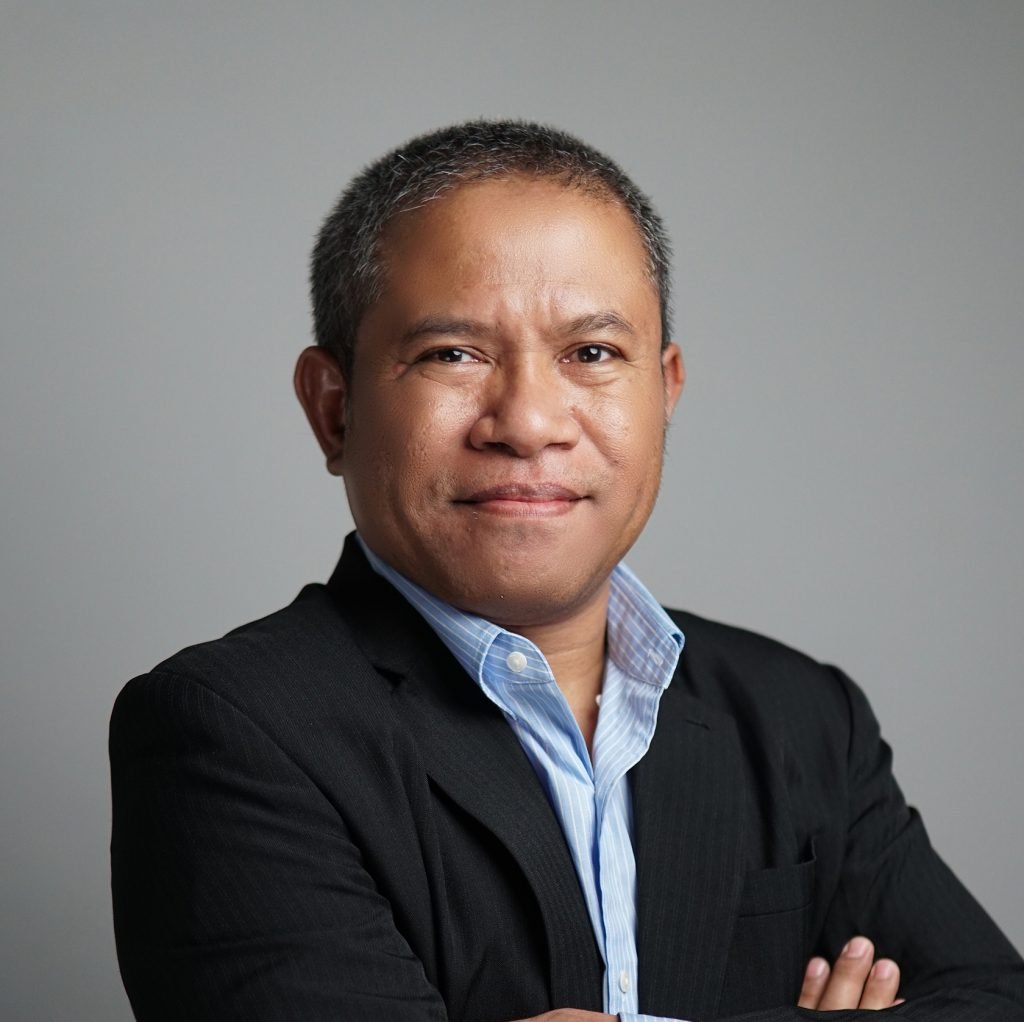
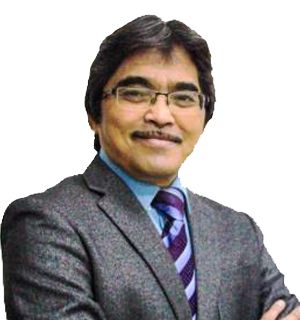
Prof. Dr. Hazman Shah Vijayan Abdullah
Retired Professor of Administrative Sciences, Universiti Teknologi MARA (UiTM), Malaysia
A senior expert in higher education quality assurance, he previously served as Assistant Vice-Chancellor (Quality Assurance), UiTM (2010–2015) and later as Deputy Chief Executive Officer (Quality Assurance), Malaysian Qualifications Agency (MQA) (2015–2018). He continued as an Expert Fellow and currently works as an Independent Quality Assurance Consultant.
-
Academic background:
Doctor of Business Administration (Universiti Kebangsaan Malaysia)Master’s in Public Administration (University of Southern California, USA)
- Extensive experience leading and chairing national QA initiatives, audits, and guidelines (including micro-credentials and compliance audits).
- International engagement in accreditation and quality assurance advisory roles.
Are We Quality Assuring the Higher Education System We Inherited — or Enabling the One We Need? Quality Assurance for Sustainable, Innovative and Lifelong Science & Technology Education
Higher education quality assurance (QA) systems were largely designed for relatively stable disciplines, conventional institutions, academic programmes and qualifications undertaken during a concentrated period of learning early in life. Science and technology education now operates in a very different environment shaped by artificial intelligence, digitalisation, rapidly evolving technologies, changing occupations, new credentials and closer integration between education and work. The central question is therefore: are we quality assuring the higher education system we inherited or enabling the one we need?
This presentation argues that sustainable science and technology education requires not only relevant and adaptable programmes, but a dual educational mission. Institutions must continue to provide high-quality concentrated learning through degrees and major qualifications while making lifelong learning a core responsibility through CPD, executive education, short courses, micro-credentials and narrow professional and industry certifications. This requires corresponding changes in institutional mission, organisation, resourcing, academic roles and industry engagement.
Quality assurance must evolve accordingly. A multi-year engineering degree, a six-month micro-credential and a 30-hour professional certification require the same commitment to quality, but not necessarily the same QA process. The presentation proposes a transition from QA 1.0 to QA 2.0: from compliance to enhancement; academic standards alone to educational, occupational and industry standards; knowledge acquisition to demonstrated competence; and periodic external inspection to strong internal QA complemented by proportionate, contextual and risk-based external QA.
Ultimately, sustainable and innovative science and technology education requires QA that protects what deserves to be protected while enabling what needs to change.